
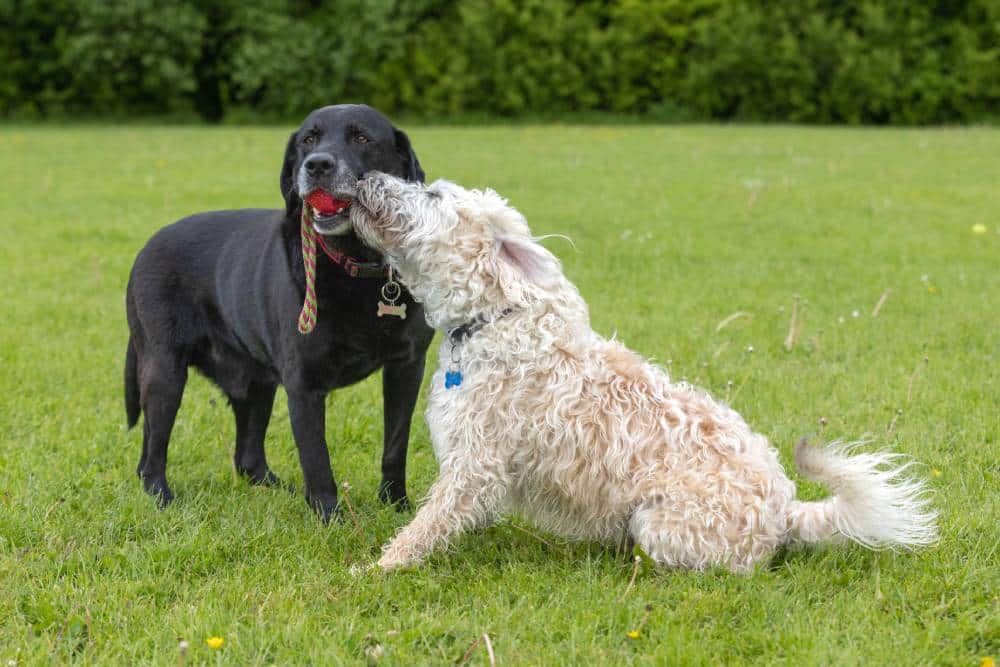
Some dogs greet the world with ease, while others feel unsure in situations that seem simple. A poorly socialized dog may react strongly to new faces, unfamiliar dogs, or changing environments. Many owners notice their dog is not socialized well, but struggle to identify the cause or the solution. Recognizing the signs of a poorly socialized dog opens the door to patience, understanding, and real improvement.
At Underdog Kennels, we work with dogs who need more than basic care. Our award-winning daycare and overnight boarding programs support emotional growth through structure, consistency, and safety. Social confidence does not happen overnight, but meaningful progress remains possible at any stage of life.
Understanding What Socialization Really Involves
Socialization refers to how dogs learn to respond to the world around them. It shapes reactions to people, animals, sounds, movement, and routine changes. Well-socialized dogs recover quickly from surprises and remain calm in unfamiliar situations.
Poor socialization does not reflect failure. Many dogs miss early exposure due to illness, limited access, or life disruptions. Others experience a single overwhelming moment that leaves a lasting impression. These patterns develop through repetition, not personality flaws.
Our role focuses on replacing uncertainty with familiarity. Through guided exposure and positive experiences, dogs learn that new situations feel manageable rather than threatening.
Why Social Gaps Develop Over Time
Dogs build confidence through repeated experiences. When exposure remains limited, hesitation becomes routine. Rescue dogs often arrive with unknown histories that influence their responses. Puppies raised in quiet households may lack exposure to variety.
Stressful encounters also shape behavior. Rough play, loud noises, or forced interactions can create fear responses that linger. Dogs then react defensively to protect themselves from perceived risk.
At Underdog Kennels, we approach every dog as an individual. Understanding background allows us to create thoughtful care plans that respect comfort levels and encourage gradual growth.
Behavior Changes Around Other Dogs
Social discomfort often appears most clearly around other dogs. Some dogs freeze, hide, or avoid eye contact. Others bark, lunge, or stiffen when approached. A few display frantic energy that overwhelms calmer dogs.
These behaviors usually signal anxiety rather than aggression. Dogs communicate discomfort long before conflict occurs. Recognizing those early signs helps prevent negative experiences.
Our dog daycare services focus on carefully structured group play. Dogs join groups based on size, energy level, and temperament. Trained staff supervise every interaction to support calm communication and prevent overstimulation.
Challenges in Unfamiliar Environments
New environments challenge dogs who lack social confidence. Changes in flooring, lighting, sounds, or smells can cause shutdown or avoidance. Some dogs refuse to walk forward, and others cling tightly to familiar people.
Home feels predictable. New spaces demand emotional processing that feels overwhelming without prior exposure. These reactions often surprise owners because the dog behaves calmly at home.
Our facility introduces environments gradually through routine. Familiar schedules reduce anxiety and allow dogs to focus on learning rather than self-protection.
Sensitivity to Everyday Sounds
Household and outdoor sounds often unsettle socially sensitive dogs. Doorbells, traffic, vacuums, or raised voices may trigger barking, pacing, or trembling. These reactions feel intense because dogs lack coping strategies.
Sound sensitivity improves through repeated exposure paired with calm reassurance. Predictable environments teach dogs that noise passes without harm.
At Underdog Kennels, dogs experience everyday sounds in a controlled setting. Staff monitor stress levels closely and support calm behavior before anxiety escalates.
Discomfort Around New People
Some dogs hesitate around unfamiliar people. Others react to hats, uniforms, or sudden movements that feel unpredictable. Jumping, backing away, or vocal responses often reflect uncertainty rather than excitement, especially when dogs feel unsure how to respond. These reactions usually appear stronger in unfamiliar settings where dogs lack clear social cues.
Dogs develop trust through respectful interactions. Short, predictable encounters allow dogs to process new experiences without pressure or forced engagement. Gradual exposure helps dogs remain calm while learning that new people do not pose a threat.
Our team understands canine body language and stress signals. We guide human interactions carefully so dogs feel supported and safe during every introduction, which helps build confidence over time.
Stress During Walks and Public Settings
Walks can feel overwhelming for poorly socialized dogs. Passing dogs, vehicles, and strangers create layered sensory input that demands constant processing. Some dogs pull hard on the leash while others stop completely, unsure how to move forward. These responses often intensify in busy or noisy environments.
These behaviors indicate nervous systems working overtime. Calm guidance and repeated positive exposure help dogs learn that outdoor experiences feel manageable rather than threatening. Progress builds slowly through consistency rather than correction.
Balanced activity and rest play an important role. Our daycare and boarding programs support emotional regulation, which often carries over into daily routines and improves comfort during walks at home.
The Importance of Early Support
Behavior patterns strengthen over time when left unaddressed. Early guidance helps dogs learn alternative responses before fear becomes a familiar habit. Addressing discomfort early often prevents escalation into long-term avoidance or reactivity.
Puppies benefit from structured exposure during development stages. Adult dogs still learn through repetition and consistency, even after challenging experiences. Growth does not stop with age when support remains steady.
Our puppy socialization programs focus on safe exposure and gentle structure. Controlled play environments protect confidence while teaching appropriate communication skills in a calm, supportive setting.
Why Structure Makes Such a Difference
Unstructured environments overwhelm dogs who struggle socially. Busy parks or spontaneous playdates often increase anxiety rather than relieve it, especially for dogs who need guidance. Structure creates clarity and safety by removing guesswork.
Our daycare program follows a balanced schedule that includes supervised play, enrichment, and rest. Dogs remain engaged without becoming overstimulated, which helps maintain emotional balance throughout the day. This rhythm supports learning and trust.
Veterinarian-recommended practices guide our care. Health and safety remain our primary concern throughout every interaction, from playtime to rest periods.
How Routine Builds Emotional Security
Dogs thrive when expectations remain clear. Routine reduces anxiety by offering predictability and consistency, which helps dogs relax instead of staying on alert. When dogs know what comes next, they respond with greater confidence and make calmer choices throughout the day.
At Underdog Kennels, daily schedules follow consistent patterns. Check-ins, play sessions, meals, and rest periods remain familiar. Dogs settle faster when they recognize the flow of their day, which allows them to focus on positive interactions rather than uncertainty.
This consistency supports dogs who feel unsure in changing environments and social settings, helping them build emotional stability over time.
Overnight Care that Reinforces Progress
Some dogs benefit from extended exposure beyond daytime care. Overnight stays reinforce routine while maintaining emotional support in a familiar environment. Familiar staff and surroundings reduce separation stress and help dogs feel secure.
Our overnight dog boarding allows dogs to practice calm behavior across multiple days. Repetition strengthens confidence and emotional stability while maintaining continuity in care.
Recognition such as Best Doggy Daycare 2023 and 2024 Best of Dallas by the Dallas Observer reflects our dedication to thoughtful, high-quality care.
Supporting Owners Through Every Stage
Behavior challenges affect entire households. Many owners feel uncertain or discouraged when progress feels slow or inconsistent. Compassion guides our communication because we understand how emotional this process can be.
We share clear observations and practical insights based on daily interactions. Understanding progress helps owners feel confident and supported rather than overwhelmed. Our team focuses on realistic expectations that prioritize emotional health over quick or rushed outcomes.
When Professional Care Helps Most
Some dogs need structured environments beyond home routines. Dogs with strong reactions or persistent fear benefit from supervised care with experienced staff who understand canine behavior.
Choosing the right facility matters. Early intervention reduces setbacks and supports long-term improvement through consistent, guided experiences.
Our programs meet high standards through attentive supervision, thoughtful group placement, and calm redirection that supports learning without pressure.
Progress Happens Through Patience
Confidence grows gradually. Some days feel easier than others, especially during periods of adjustment. Patience creates space for learning and trust to develop.
Dogs build emotional stability through repeated positive experiences. Each calm interaction reinforces comfort and resilience over time.
At Underdog Kennels, we value progress at every stage. Our goal centers on helping dogs feel secure, understood, and supported as they grow.
A Welcoming Path Forward
Social challenges do not define a dog’s future. With structure, guidance, and compassion, dogs learn to navigate the world with greater ease. Our award-winning daycare and boarding programs support social growth while prioritizing safety and well-being.
If your dog struggles with social confidence, we welcome the opportunity to help. Contact us today to schedule a visit or learn more about our programs.
 Please contact our owner,