
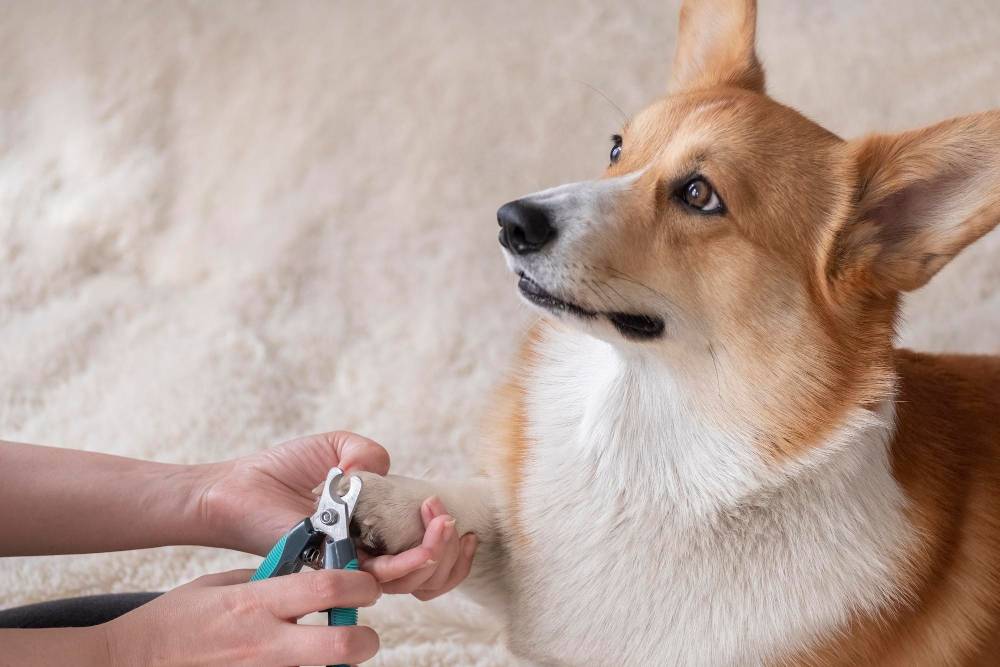
Many pet owners overlook nail care, yet nail trimming for dogs plays a direct role in how a dog moves, rests, and responds to daily dog activity. Nails that grow beyond a healthy length do more than affect appearance.
They create constant pressure with every step, which can lead to discomfort, changes in posture, and long-term strain on joints and muscles. Consistent trimming keeps movement natural and prevents avoidable health issues.
Long Nails Change the Way Dogs Move
A dog’s nails should not interfere with how their paws make contact with the ground. When nails grow too long, they press back into the nail bed with each step. This repeated pressure affects how a dog distributes weight, often forcing subtle adjustments in posture.
Over time, these adjustments can lead to strain in the legs and joints. Dogs may begin to shift their stance or walk differently to avoid discomfort. These changes are not always obvious at first, but they can develop into long-term mobility concerns if left unaddressed. Regular monitoring helps identify these changes early and keeps nail length under control.
Hard surfaces make the problem worse. Floors and pavement increase the impact of overgrown nails, amplifying pressure and discomfort. Regular trimming keeps the paw structure aligned and reduces unnecessary stress during movement.
Pain and Injury Often Start with Small Neglect
Long nails are more prone to damage. They can catch on surfaces, split, or tear during routine movement or play. A torn nail is not a minor issue. It can bleed heavily, cause immediate pain, and increase the risk of infection.
In some cases, dogs may start avoiding certain movements due to discomfort. This can affect their activity levels and overall behavior. What begins as a simple delay in trimming can quickly turn into a situation that requires veterinary care.
Regular maintenance reduces the chances of sudden injury. Keeping nails at a manageable length allows dogs to move freely without the risk of snagging or breaking.
Subtle Signs Indicate It Is Time for a Trim
Dogs rarely show clear signs of nail discomfort until the issue becomes more advanced. However, small indicators can help identify when trimming is needed.
A common sign is the sound of nails clicking against hard floors. This indicates that the nails have extended beyond a natural length. Changes in posture, hesitation during movement, or increased licking of paws may also signal discomfort.
Paying attention to these details helps prevent the problem from progressing. Waiting until visible issues appear often means the nails have already caused discomfort.
Frequency Depends on Lifestyle and Environment
There is no single schedule that works for every dog. Nail growth varies based on activity level, age, and the surfaces a dog regularly walks on. Dogs that spend more time on grass may not experience natural wear, while those walking on concrete may see slower growth.
In general, trimming every few weeks helps maintain a healthy length. However, observation matters more than a fixed timeline. Monitoring nail length and listening for changes in sound or movement provides better guidance than relying on routine alone.
Consistency remains the key factor. Irregular trimming leads to overgrowth, while steady care keeps nails manageable.
Handling Nail Trimming Requires Precision and Care
Nail trimming is not simply about cutting length. Each nail contains a sensitive area known as the quick. Cutting too close to this area can cause pain and bleeding, which may make dogs resistant to future grooming.
Darker nails present an additional challenge. The quick is not easily visible, which increases the risk of cutting too far. Gradual trimming and proper positioning help reduce this risk.
Using the right tools also matters. Dull or incorrect equipment can create pressure rather than a clean cut, leading to discomfort. A controlled approach minimizes stress for the dog and improves the outcome of each session.
Early Familiarity Reduces Resistance Over Time
Dogs respond better to grooming when they are introduced to it early. Regular handling of paws helps build comfort and reduces anxiety during trimming. Short, calm sessions create familiarity and prevent negative associations.
For dogs that are already uncomfortable with nail trimming, gradual exposure works better than forcing the process. Handling paws during relaxed moments, combined with positive reinforcement, helps rebuild trust.
Consistency is important here as well. Sporadic attempts often increase resistance, while steady routines create predictability.
Professional Dog Grooming Services Provide Safer Handling
While some owners manage nail care at home, dog grooming services offer a more controlled and experienced approach. Trained professionals understand how to handle different behaviors and nail types without causing stress or injury.
They work with appropriate tools and techniques that reduce the risk of cutting too close to the quick. This is especially useful for dogs with darker nails or those that react negatively to trimming.
Professional care also ensures that nail trimming remains consistent. This reduces the likelihood of overgrowth and the complications that come with it.
Daily Routines Influence Nail Health More Than Expected
Nail growth does not exist in isolation. A dog’s daily routine affects how quickly nails grow and how much natural wear they experience. Structured environments, including dog daycare, introduce movement patterns that can influence nail condition.
Dogs that remain active tend to maintain better overall physical balance. However, activity alone does not replace trimming. It simply works alongside regular care to maintain comfort.
A balanced routine that includes movement, rest, and grooming creates better long-term outcomes. When these elements work together, dogs remain more stable in both behavior and physical health.
Movement and Engagement Keep Dogs Physically Balanced
Regular activities for dogs support muscle strength, coordination, and circulation. When nails are kept at a proper length, dogs engage more comfortably in these activities without hesitation.
Overgrown nails can limit movement or cause subtle discomfort during play. This may reduce participation or lead to changes in behavior over time. Maintaining nail length allows dogs to move naturally and stay engaged in their environment.
A Higher Standard of Care You Can Trust
At Underdog Kennels, we treat nail care as part of a complete approach to your dog’s well-being. During daycare and overnight stays, we pay close attention to movement, posture, and overall comfort. Our team works in a clean, structured environment where safety remains the priority.
With recognition as an award-winning facility and guidance trusted by veterinarians, we provide attentive care that supports your dog’s daily comfort.
Book your dog’s stay with us and give them a routine built around proper care and observation.
 Please contact our owner,