
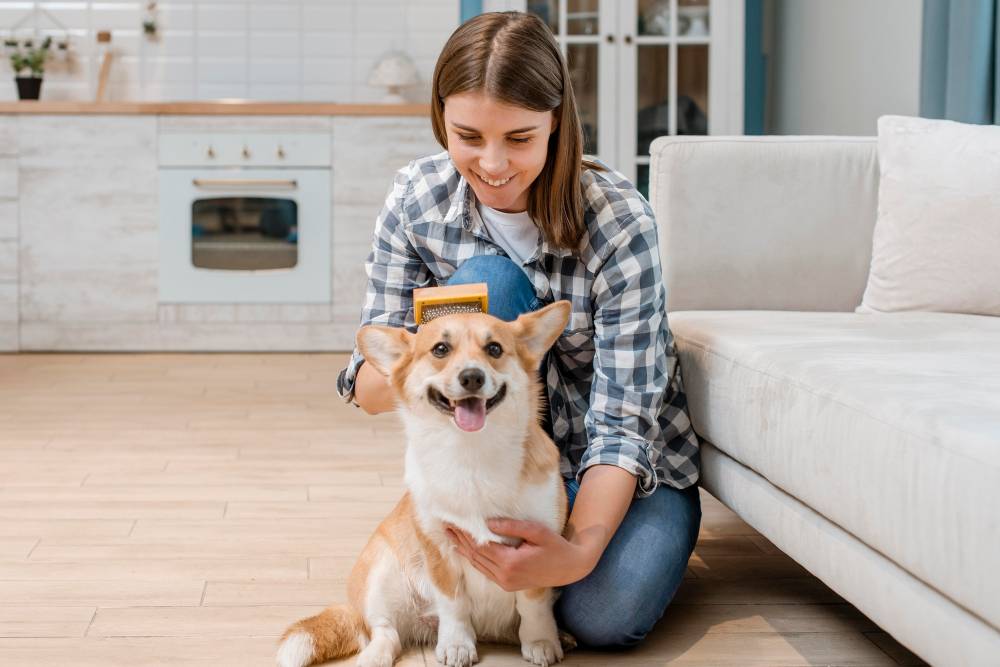
Many dog owners assume all coat care works the same way, but understanding brushing vs. deshedding makes a clear difference in how you manage your dog’s health and comfort. These two methods serve different purposes. One maintains the surface of the coat, while the other targets deeper layers that affect shedding, temperature regulation, and skin condition.
When combined with regular dog activities, proper coat care becomes more effective, as movement and routine influence how the coat sheds and maintains balance. Choosing the right approach depends on your dog’s coat type, routine, and overall care needs.
Brushing Maintains the Surface and Daily Coat Health
Brushing focuses on the outer layer of your dog’s coat. It removes loose hair, dirt, and debris while preventing tangles from forming. This simple routine also helps distribute natural oils across the skin, which supports moisture balance and keeps the coat in better condition.
When brushing becomes consistent, it reduces buildup that can lead to irritation or matting. It also gives you the chance to check for small changes such as dryness, redness, or unusual texture. These early signs often indicate underlying issues that need attention.
Frequency depends on coat type. Dogs with longer or curlier coats require more frequent brushing to prevent tangles. Short-haired breeds benefit from regular brushing as well, even if their coats appear easier to manage. Skipping this step allows loose hair and debris to accumulate, which affects both comfort and hygiene.
Brushing also improves how a dog responds to handling. When dogs are used to regular grooming contact, they remain calmer during other forms of care, including bathing and nail trimming.
Deshedding Targets the Undercoat that Brushing Misses
Deshedding goes beyond surface maintenance. It removes loose hair from the undercoat, which is often the main source of shedding. This process is especially important for dogs with double coats, where thick layers trap excess hair beneath the topcoat.
Unlike brushing, deshedding tools reach deeper into the coat to remove hair that would otherwise shed around the home. This reduces the amount of loose fur on furniture and floors while preventing dense buildup within the coat itself.
Deshedding also improves airflow through the coat. When excess undercoat is removed, air circulates more easily, which helps regulate body temperature. This becomes particularly important during warmer months when trapped hair can lead to discomfort.
The Key Difference Lies in Purpose, Not Preference
Understanding brushing vs. deshedding comes down to recognizing their roles. Brushing is a routine task that maintains cleanliness and prevents tangles. Deshedding is a targeted process that reduces excess undercoat and controls heavy shedding.
Using one without the other often leads to imbalance. Relying only on brushing may leave the undercoat unmanaged, especially in heavy-shedding breeds. Focusing only on deshedding without regular brushing allows surface debris and tangles to build up.
Each method works best when used at the right time and for the right purpose. Dogs with simpler coats may not require frequent deshedding, but brushing remains necessary. Dogs with thicker coats often need both to maintain comfort and coat health.
Coat Type Determines What Your Dog Needs
Not all dogs require the same grooming approach. Coat structure plays a direct role in determining whether brushing, deshedding, or both should be part of the routine.
Double-coated breeds benefit from both methods. Regular brushing keeps the topcoat clean, while periodic deshedding removes loose undercoat. Without this combination, shedding increases and matting becomes more likely.
Long-haired dogs rely heavily on brushing to prevent tangles. Deshedding tools are not always necessary unless the coat includes a dense underlayer. In these cases, incorrect use of deshedding tools can cause more harm than benefit.
Short-haired dogs still shed, even if it is less noticeable. Light brushing removes loose hair and keeps the coat in good condition. Occasional deshedding may help manage seasonal shedding, but it should not replace routine care.
Matching the method to the coat type prevents unnecessary stress on the skin and keeps grooming effective.
Timing and Frequency Affect Results
Brushing works best when it becomes part of a regular routine. Daily or weekly sessions prevent buildup and keep the coat manageable. Waiting too long between sessions allows tangles and loose hair to accumulate, making grooming more difficult.
Deshedding, on the other hand, should be done less frequently. Monthly sessions are typically enough, with adjustments during seasonal shedding periods. Over-deshedding can lead to irritation and disrupt the coat’s natural balance.
Proper timing also depends on the condition of the coat. Deshedding should be done on a clean, dry coat to avoid pulling or damaging the fur. Brushing before and after helps remove remaining loose hair and improves overall results.
Consistency matters more than intensity. A steady routine prevents problems before they develop.
Improper Techniques Can Affect Skin and Coat Health
Using the wrong tools or applying too much pressure can lead to discomfort. Brushing too aggressively may irritate the skin, while excessive deshedding can remove more than just loose hair.
Dogs with sensitive skin require a more controlled approach. Gentle handling and the right tools reduce the risk of irritation. Observing how the dog responds during grooming helps guide adjustments.
Skin health depends on balance. Removing too little hair leads to buildup, while removing too much disrupts the coat’s protective function. Understanding this balance improves long-term outcomes.
Professional Dog Grooming Services Improve Consistency
Managing brushing and deshedding at home can become inconsistent, especially for dogs with complex coat types. Dog grooming services provide a structured approach that keeps both methods balanced.
Professionals assess the coat condition and apply the appropriate technique without overdoing either process. They also use tools designed for different coat types, which improves efficiency and reduces risk.
Daily Routines Influence Coat Condition Over Time
A dog’s daily environment affects how their coat behaves. Movement, exposure to outdoor elements, and overall activity levels contribute to shedding and buildup.
Structured environments such as dog daycare introduce consistent movement and interaction. While activity alone does not replace grooming, it supports better circulation and reduces stagnation within the coat.
Care that Fits Into Your Dog’s Daily Routine
Our team at Underdog Kennels treats coat care as part of a larger system that includes movement, rest, and observation. During daycare and overnight stays, we monitor each dog’s condition and adjust care as needed.
Our team works in a structured, clean environment where safety remains the priority. Recognized as an award-winning facility and trusted by veterinarians, we provide attentive care that supports your dog’s comfort every day.
Book your dog’s stay with us and give them a routine that keeps their coat and overall health in balance.
 Please contact our owner,